
23 Aug Dovetail Anchors: How They Work & Installation Basics
The dovetail anchor is one of the most reliable ways to tie masonry veneer back to a concrete structural wall. It relies on a simple but effective mechanical principle: a metal tie that slides into a slot cast into the concrete, locking into place without fasteners or drilling. When specified and installed correctly, it accommodates movement, resists pullout, and keeps brick and stone facades securely anchored to the backup structure.
This guide explains how the dovetail anchor system works, the difference between corrugated and flat dovetail ties, how deep to embed them in masonry, and what to look for when specifying them for a project.
How a Dovetail Anchor System Works
A dovetail anchor system has two parts that work together: the dovetail slot (also called a dovetail track) and the dovetail anchor tie that slides into it. The slot is a continuous metal channel with a flared, trapezoidal cross-section — wider at the base than at the opening. That shape is what gives the system its name and its holding power.
The slot is cast directly into the concrete structural wall while the concrete is still fluid, typically fastened to the formwork so it sits flush with the finished face. Once the concrete cures, the slot becomes a permanent anchoring channel embedded in the wall.
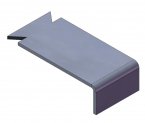
The dovetail anchor tie has an end formed to match the flared profile of the slot. It drops or slides into the channel and the flared end locks behind the slot’s narrowed opening, preventing it from pulling straight out. The other end of the tie extends into the masonry veneer, where it is bedded into the mortar joint. Because the tie can slide freely along the length of the slot before the mortar sets, installers can position each anchor to align with the coursing of the brick or stone.
This arrangement does two important things at once. It transfers lateral loads — wind pressure and suction — from the veneer back to the structure, and it allows the veneer and the backup wall to move independently as they expand, contract, and settle over the building’s life.
Corrugated vs. Flat Dovetail Anchors
Dovetail ties come in a few common configurations, and choosing the right one depends on the veneer material and the load the connection has to carry.
Corrugated Dovetail Anchors
The corrugated dovetail anchor is a thin, ribbed metal strip with a dovetail end. The corrugations stiffen the strip and give the mortar something to grip. Corrugated ties are most commonly used with brick veneer and lighter masonry, where the ripples help lock the tie into the bed joint. They are economical, easy to install, and well suited to standard brick coursing. Because the strip is relatively thin and flexible, it is best reserved for applications where the loads are moderate and the cavity width is modest.
Flat Dovetail Anchors
Flat dovetail ties are made from heavier, unribbed plate stock. They offer greater stiffness and load capacity, which makes them appropriate for heavier stone veneer, wider cavities, or projects where the engineer calls for a stronger connection. Some flat anchors are combined with additional components — such as a separate anchor and a dovetail insert — to accommodate thicker stone units and adjustable positioning.
In practice, the choice comes down to the weight of the veneer, the cavity dimension, and the load requirements set by the project’s structural engineer. When in doubt, match the tie type to the specification rather than defaulting to the lighter, less expensive option. You can review the range of options in our dove-tails anchor category, including the corrugated dovetail product, to compare profiles against your project needs.
Embedment in Masonry
Proper embedment is what makes or breaks the performance of any dovetail anchor. Two embedment relationships matter: how the slot is set in the concrete and how the tie is set in the mortar.
- Slot placement in concrete: The dovetail slot should be positioned so its face aligns flush with the finished concrete surface. Slots are typically filled with a temporary foam or filler strip before the concrete is poured so that grout does not clog the channel. That filler is removed after stripping the forms so the tie can slide in cleanly.
- Tie embedment in the mortar joint: The masonry end of the tie must be fully bedded in the mortar bed joint, not simply resting on top of a course. The mortar should completely surround the embedded portion so the tie is locked into the veneer. Insufficient mortar coverage is one of the most common installation failures and dramatically reduces pullout resistance.
- Cavity and airspace: The tie has to span the cavity between the backup wall and the veneer without bottoming out or bending. Selecting a tie sized for the actual cavity width keeps the connection working as designed and avoids point loading.
The tie should also be installed as close to level as the coursing allows. A tie that slopes down toward the cavity can channel water toward the backup wall, so keeping it level or sloped slightly toward the veneer helps with moisture management.
Spec Guidance for Dovetail Anchors
When specifying dovetail anchors for a project, work from the requirements set by the structural engineer or architect and confirm these key points:
- Material and finish: Anchors are commonly supplied in galvanized or stainless steel. Match the corrosion resistance to the exposure conditions and the veneer material. More aggressive or exterior environments generally justify a higher level of corrosion protection.
- Tie type and gauge: Confirm whether the design calls for corrugated or flat dovetail ties and the required thickness or gauge. Heavier veneers and wider cavities push toward flat, thicker anchors.
- Slot type: Verify the dovetail slot profile matches the tie so the two components lock together as intended. Slot and tie are a matched system.
- Spacing: Anchor spacing — both horizontal along the coursing and vertical between courses — is set by the design loads and applicable code and standards. Do not deviate from the specified spacing without engineering approval.
- Cavity dimension: Size the tie length to the actual airspace so the anchor engages both the slot and the mortar joint fully.
Because the slot has to be cast into the concrete before the veneer goes up, dovetail anchor coordination happens early. Getting the slot layout right at the concrete stage saves rework later, so it pays to confirm quantities, spacing, and finishes before the pour. Krando manufactures dovetail anchors and related masonry anchoring products with in-house engineering support to help match the right component to your application.
Frequently asked questions
What is the difference between a dovetail slot and a dovetail anchor?
The dovetail slot is the continuous flared channel cast into the concrete backup wall. The dovetail anchor, or tie, is the separate metal piece that slides into that slot and extends into the masonry mortar joint. They are a matched pair — the slot has to be set in the concrete before the veneer is built, and the tie is added later as the masonry goes up.
When should I use a corrugated dovetail anchor instead of a flat one?
Corrugated dovetail anchors are typically used with brick and lighter veneer at moderate loads, where the ribbed strip locks well into the mortar bed. Flat dovetail anchors are heavier and stiffer, making them better suited to heavier stone veneer, wider cavities, or higher loads. Follow the structural engineer’s specification, since the choice depends on veneer weight, cavity width, and design loads.
Can dovetail anchors be installed after the concrete is poured?
The dovetail slot must be cast into the concrete while it is still wet, so slot placement has to be coordinated before the pour. The anchor tie, however, is installed later — it slides into the cured slot and is bedded into the mortar joint as the veneer is laid. That two-stage sequence is why early coordination of slot layout is so important.
How does a dovetail anchor allow for building movement?
Before the mortar sets, the tie can slide along the length of the slot, and the connection is designed to accommodate differential movement between the veneer and the backup wall. This lets the masonry and structure expand, contract, and settle independently while the anchor continues to transfer lateral wind loads back to the structure.
Sorry, the comment form is closed at this time.